
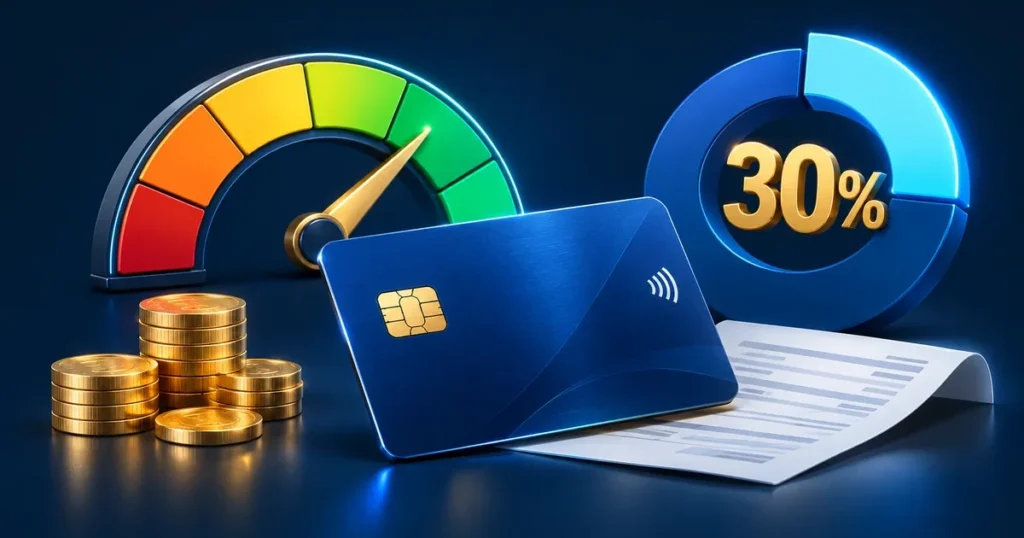
How Credit Utilization Actually Works (and the 30% Rule Myth)
Credit utilization is the fastest lever on your credit score, and the 30% rule misses how it really works. Per-card vs overall, statement timing, and how to lower it fast.
Explainers on how credit cards actually work: interest and grace periods, what credit score you need, the unwritten issuer application rules that decide approvals, how to build or rebuild a credit file, and how to downgrade a card without damaging your score. The mechanics behind the comparisons.
Credit utilization is the fastest lever on your credit score, and the 30% rule misses how it really works. Per-card vs overall, statement timing, and how to lower it fast.

Three ways to put someone else’s credit behind an account, and they are not interchangeable. Who owes the money, whose report it lands on, and which one you can undo with a phone call.

Interest is charged daily and compounds daily — and the moment you stop paying in full you lose the grace period, so new purchases accrue from the transaction date. The math, with real numbers.

Canceling raises your utilization and can forfeit your points. A product change keeps your account age, your credit line and your rewards — and the retention call costs nothing.
FICO and VantageScore ranges, what each tier realistically approves for, and why the score your app shows is not the score your card issuer uses.

Chase 5/24, Amex once per lifetime, Citi 8/65, Capital One one card every six months — the unwritten issuer rules that decide whether you get approved and whether you get the bonus.

Walmart, Target and Costco are excluded from the supermarket bonus categories on every major issuer. Here is why, which cards exclude what, and how to check your own stores.

Chase is 5% on groceries and dining this quarter, Discover on restaurants, entertainment and utilities – and Chase’s activation deadline is December 14. What the cap is worth.