

Best Credit Card for Paying Taxes in 2026
The IRS fee is 1.75% at the cheapest processor, and most rewards cards pay back less. We run the math on a $10,000 payment and show the only three cases where paying taxes by card actually pays off.
Head-to-head comparisons for the cards people genuinely struggle to choose between. Each one gives you the calculation rather than an opinion: the spending split at which one card overtakes the other, what the fees really cost after credits, and where the two are close enough that something else should decide it.
The IRS fee is 1.75% at the cheapest processor, and most rewards cards pay back less. We run the math on a $10,000 payment and show the only three cases where paying taxes by card actually pays off.
Chase Sapphire Preferred ($95) vs Capital One Venture X ($395) in 2026. After each card’s automatic credits the fee gap nearly vanishes, so the real decision is airport lounges. An honest, numbers-first comparison.

Two Amex cards built for food spending: the Gold earns 4x points on dining and groceries, the Blue Cash Preferred earns 6% cash back at supermarkets. Which wins depends on how much you spend — and whether you want points or cash.
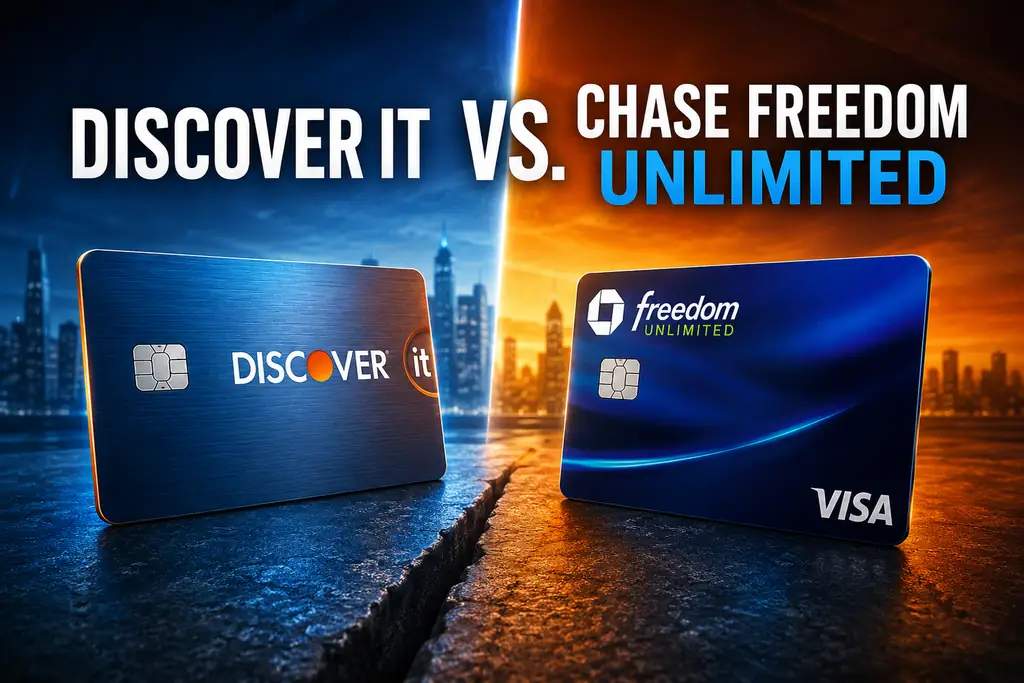
Discover pays more if you work for it; Chase pays less and asks nothing. The year-one match, the 12.5% break-even rule, and the activation trap that costs real money.
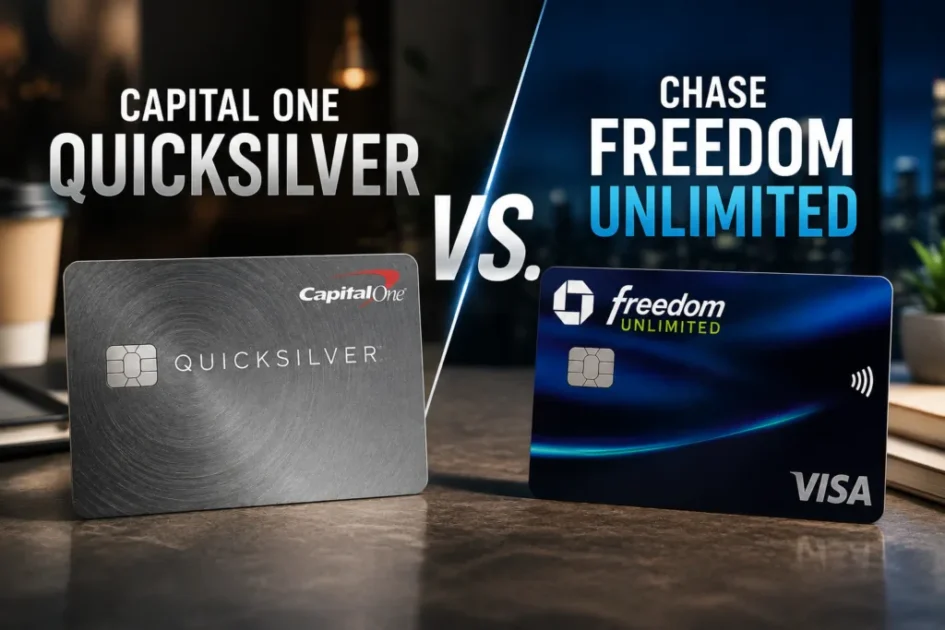
Same 1.5%, opposite strengths: Chase adds 3% dining, Capital One drops the 3% foreign fee. The simple rule that decides it from your own spending.
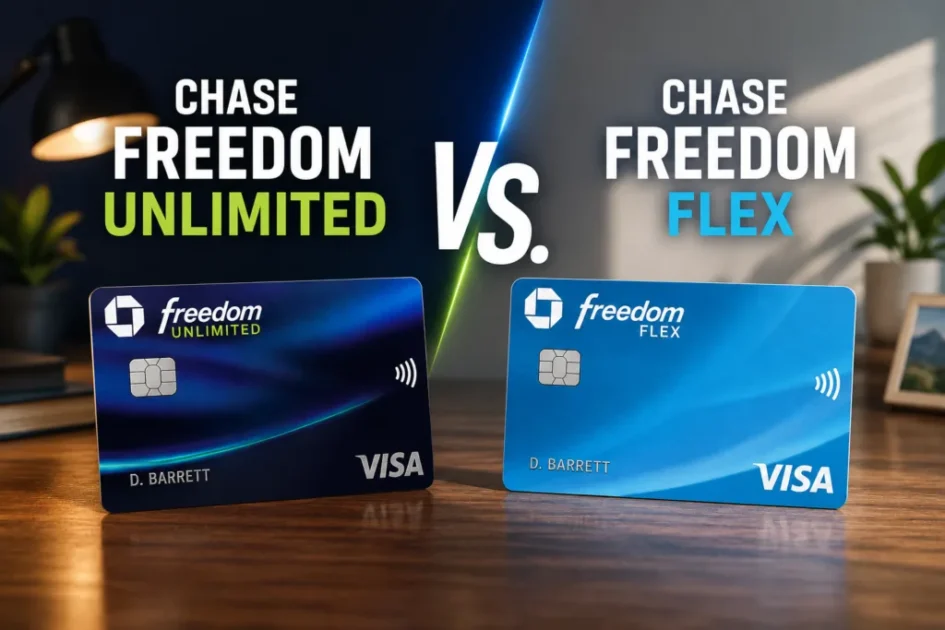
Two almost identical Chase cards with exactly two differences – and the second one, a 3% foreign transaction fee on the Unlimited, can erase the first one in a single trip.
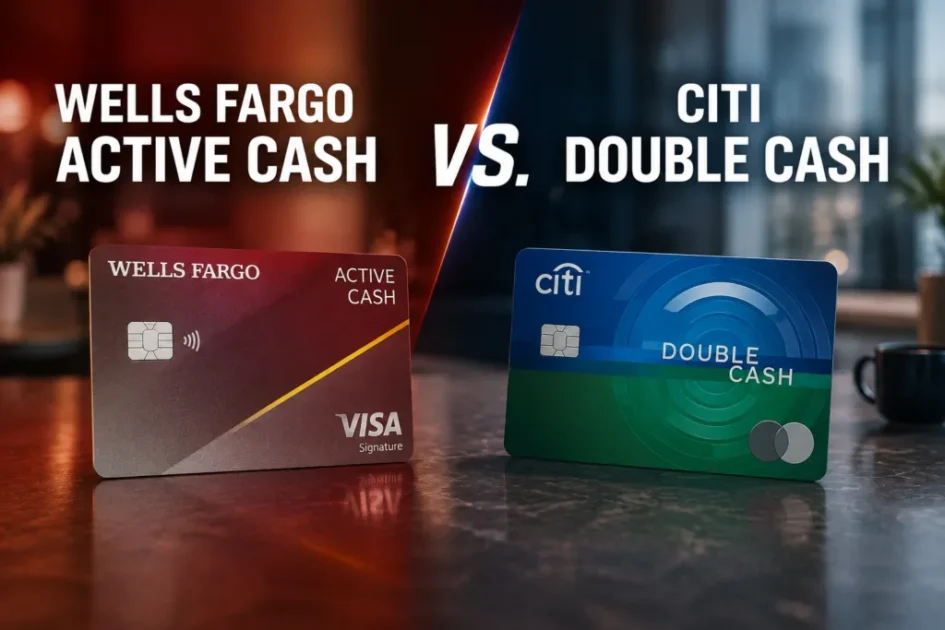
Both advertise 2% with no annual fee, but only one 2% is unconditional. The asterisk on Citi’s rate, the balance transfer grace-period trap, and which card suits whom.

One keeps the fee near zero with a 2X floor, the other charges $795 but hands back a credit you can actually use anywhere – and still lets two guests into a lounge free.
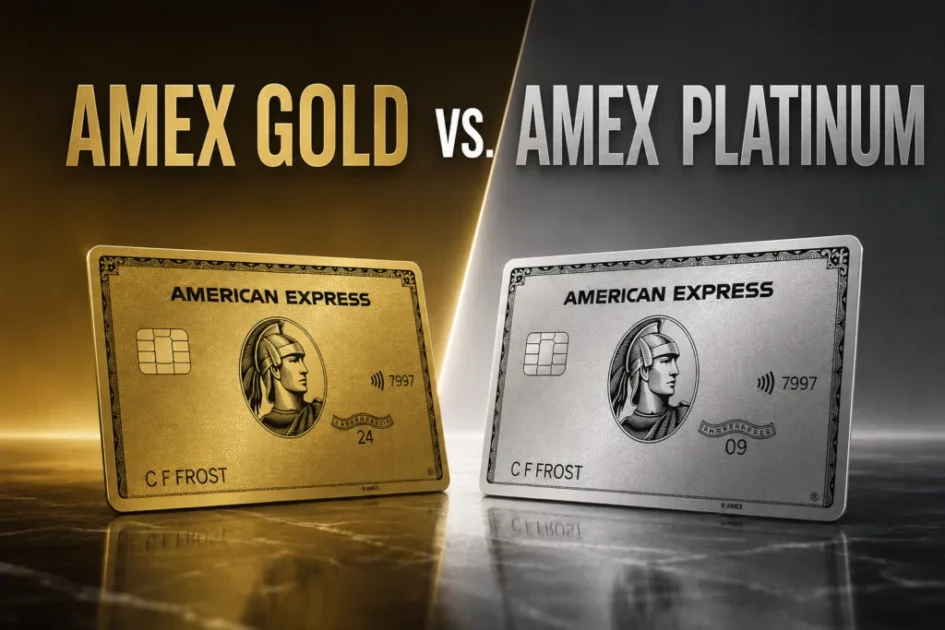
The Gold ($325) is built for dining and groceries; the Platinum ($895) is built for travel and lounges. They’re not really rivals — here’s which one fits your spending.
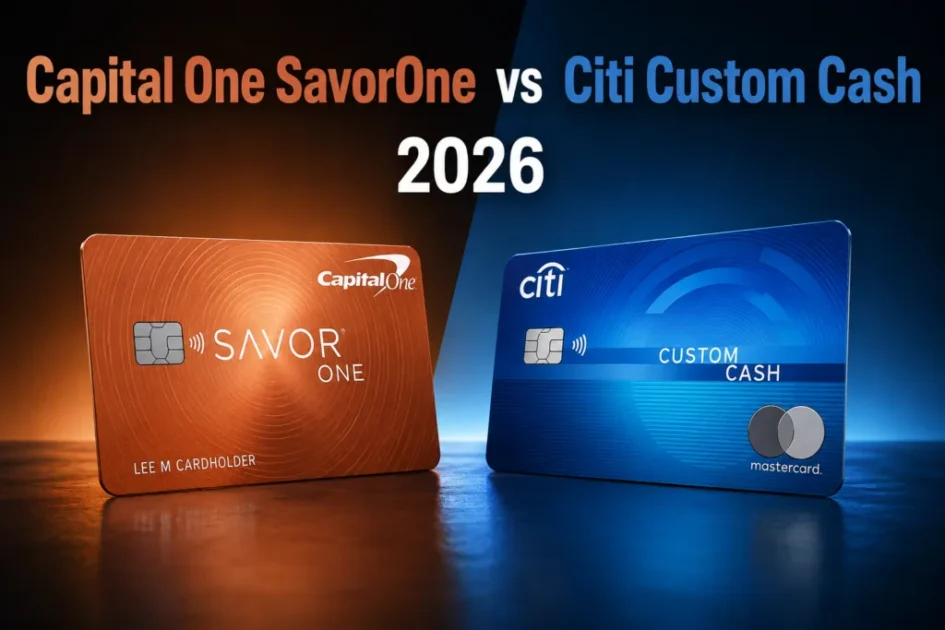
Both earn strong rewards on dining, but there’s news: Citi stopped accepting new Custom Cash applications in 2026. Here’s how the two compare, and what to get if you’re applying today.